Major Changes Happening in the Video Game Industry
Explore the major changes happening in the video game industry, including AI-assisted development, digital distribution, cross-platform gaming, handheld PCs, live-service models, cloud gaming, and the growth of indie studios.
 NorthGames
Major Changes Happening in the Video Game Industry
The video game industry is going through one of its most significant periods of change. Advances in hardware, artificial intelligence, online infrastructure, digital distribution, and game development tools are changing how games are created and how players access them.
The industry is also becoming less dependent on a single model. Players can now purchase games digitally, access large libraries through subscriptions, play across different platforms, use handheld PCs, stream games from remote servers, and participate in games that receive new content for years after launch.
These developments are not happening independently. They are connected and are gradually changing the entire gaming ecosystem.
Artificial Intelligence Is Entering Game Development
Artificial intelligence is becoming increasingly relevant to game developers.
AI-assisted tools can help development teams with tasks such as automated testing, animation assistance, procedural content creation, localization, debugging, and prototyping.
One of the most practical applications is testing. Modern games can contain thousands of interactions, quests, objects, NPC behaviors, and possible player actions. Automated systems can help developers identify bugs and unusual situations more efficiently.
AI could also influence NPC behavior. Instead of characters responding only through a limited number of predefined options, future games may use more sophisticated systems to create more dynamic reactions.
However, the increased use of AI also raises questions about creative ownership, employment, copyright, and the role of human developers. The technology is therefore likely to remain an important but debated part of game development.
Cross-Platform Gaming Is Becoming Standard
The traditional separation between gaming platforms is becoming less important.
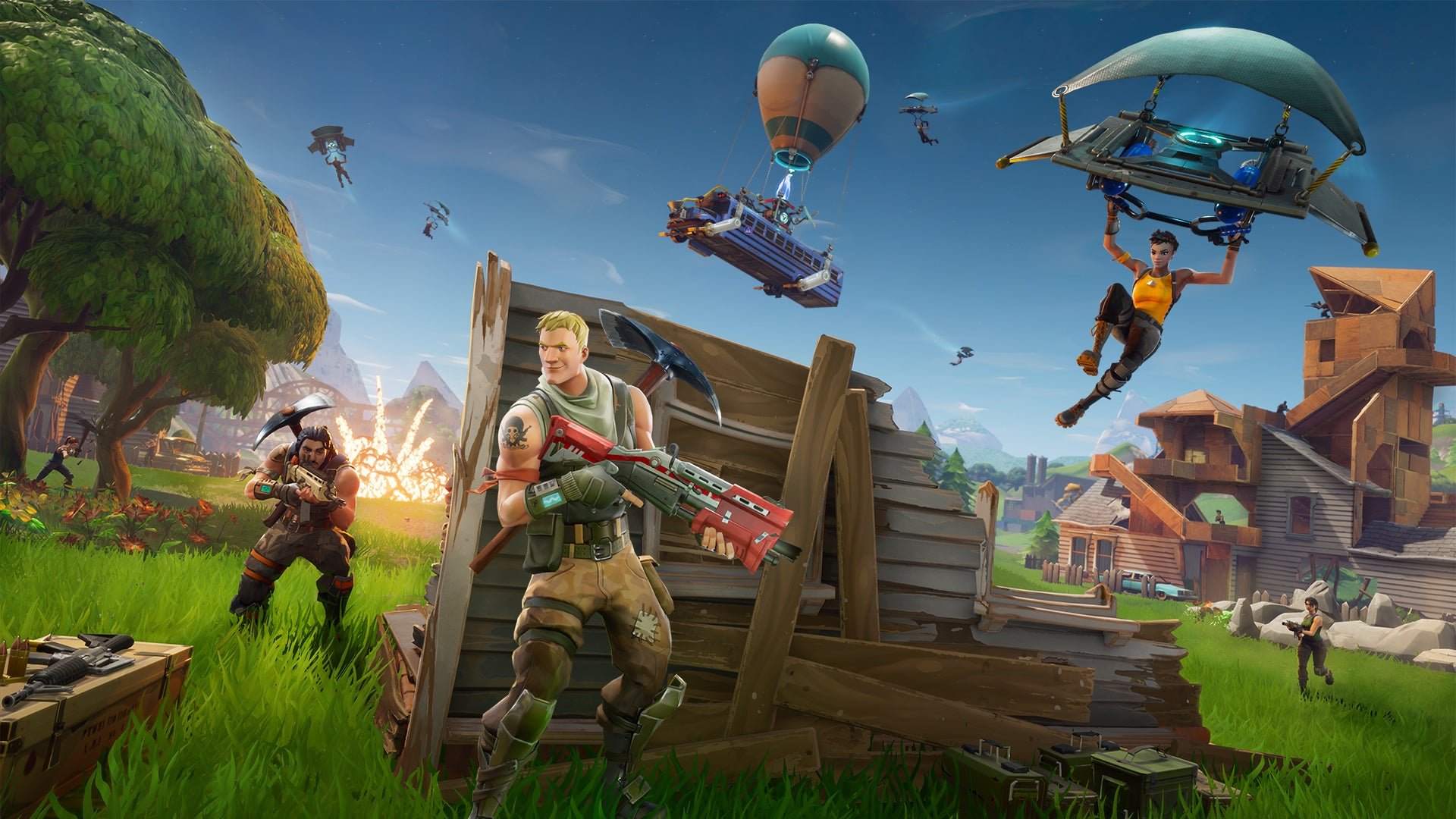
Games such as Fortnite, Minecraft, Rocket League, and Call of Duty: Warzone have demonstrated the popularity of cross-platform multiplayer.
A player using a PC can potentially play with friends using a PlayStation, Xbox, or another supported platform. This makes the gaming community more connected and reduces the importance of owning identical hardware.
Cross-progression is another important development. Players can sometimes maintain their progress, characters, purchases, or statistics across multiple devices.
For consumers, this creates a more flexible gaming experience.
Handheld PC Gaming Is Growing
Portable PC gaming has become one of the most interesting hardware developments in recent years.
The Steam Deck demonstrated that a handheld device could provide access to a substantial PC game library. Products such as the ASUS ROG Ally and Lenovo Legion Go have expanded the category with different hardware configurations and features.
These devices occupy an interesting position between traditional handheld consoles and gaming laptops.
Players can sit at home and connect a handheld to a monitor, or take the device outside and continue playing without carrying a full-size laptop.
The popularity of this category could influence how developers optimize future PC games.
Live-Service Games Have Changed the Traditional Release Model
The traditional model was relatively straightforward: developers created a game, released it, and potentially followed it with expansions.
Live-service games operate differently.
Titles such as Destiny 2, Warframe, Final Fantasy XIV, and Fortnite can receive new content and updates for many years.
Developers may introduce:
- New characters
- Maps
- Weapons
- Missions
- Events
- Seasonal content
- Cosmetic items
- Balance changes
- New gameplay systems
This approach can create long-term communities around a game.
However, maintaining a live-service game is expensive and demanding. Developers need reliable servers, regular content, community management, and long-term planning.
The industry has also shown that simply launching a live-service game does not guarantee success. Players have limited time and tend to focus on the games that consistently provide valuable experiences.
Digital Distribution Continues to Grow
Physical copies remain important to many players, but digital distribution has transformed the way games are purchased.
Platforms such as Steam, PlayStation Store, Xbox Store, and Nintendo eShop allow players to purchase and download games immediately.
Digital distribution also gives developers greater flexibility. Independent studios can release games worldwide without requiring traditional physical distribution networks.
Sales, discounts, early-access programs, downloadable content, and frequent updates have all become easier to manage in a digital ecosystem.
Subscription Gaming Is Changing Game Discovery
Subscription services are also changing how players discover games.
Services such as Xbox Game Pass, PlayStation Plus, and EA Play provide access to collections of games for a recurring fee.
For players, one major advantage is experimentation. Someone may be unwilling to spend full price on an unfamiliar game but may try it if it is included in a subscription library.
This can be particularly valuable for indie developers because subscription catalogs can introduce smaller games to audiences that may not have discovered them otherwise.
At the same time, publishers need to carefully consider how subscription models affect game sales and long-term revenue.
Cloud Gaming Is Reducing Hardware Barriers
Cloud gaming attempts to move some of the processing workload away from the player's device.
Services such as NVIDIA GeForce NOW and Xbox Cloud Gaming allow supported games to be streamed over the internet.
The concept is particularly attractive for players who do not own powerful gaming hardware.
However, cloud gaming depends heavily on internet quality. Connection speed, latency, network congestion, and server location can all influence the experience.
For competitive games where a few milliseconds can matter, local hardware still has important advantages.
Game Engines Are Becoming More Powerful
Game engines have also changed dramatically.
Unreal Engine 5 provides developers with technologies such as Nanite virtualized geometry and Lumen dynamic global illumination, giving studios new options for creating highly detailed environments and lighting.
Modern engines can also support multiple platforms, advanced physics, animation systems, virtual production, and sophisticated development workflows.
This allows smaller teams to access technologies that previously required enormous technical resources.
The result could be a wider range of games with high-quality graphics and complex environments.
Indie Developers Have More Opportunities
Independent development has become more accessible.
Digital storefronts allow small studios to reach international audiences without relying entirely on traditional publishers.
Games such as Hades, Stardew Valley, Balatro, and Vampire Survivors demonstrate how independent projects can become major commercial and cultural successes.
Indie developers are also often willing to experiment with unusual gameplay mechanics.
This experimentation can eventually influence AAA studios. A successful indie mechanic can become popular enough to inspire larger productions.
Virtual Reality Is Still Evolving
Virtual reality remains an important area of gaming technology.
Devices such as Meta Quest 3 and PlayStation VR2 demonstrate two different approaches to consumer VR.
VR can provide experiences that traditional screens cannot fully reproduce. Players can physically look around environments, interact with objects, and use motion controllers.
Games such as Beat Saber demonstrate the accessibility of VR, while Half-Life: Alyx shows how the technology can support a much deeper first-person adventure.
However, comfort, hardware cost, battery life, and software availability remain challenges.
Gaming Is Becoming More Social
Modern games increasingly function as social platforms.
Players communicate through voice chat, guilds, clans, live events, streaming, user-generated content, and community-created experiences.
Roblox is a particularly important example because users can create and publish experiences for other players.
Minecraft also demonstrates the power of user creativity. Players can build worlds, create multiplayer communities, develop custom servers, and produce content that extends far beyond the original game.
This shift means that developers are increasingly creating tools for players to become creators themselves.
Esports Continues to Expand
Competitive gaming has developed into a global entertainment industry.
Games such as League of Legends, Counter-Strike 2, VALORANT, Dota 2, and Rocket League have established professional ecosystems involving teams, tournaments, broadcasters, sponsors, and dedicated fan communities.
Esports has also influenced game design. Developers increasingly consider spectator features, competitive balance, ranked systems, replay tools, and tournament functionality when designing multiplayer games.
The Economics of AAA Games Are Changing
One of the industry's biggest challenges is the rising cost of developing major games.
Modern AAA productions can require large teams, expensive technology, voice acting, motion capture, localization, marketing, and years of development.
A game that takes five or six years to produce represents a significant financial investment before it generates revenue.
This is one reason publishers are increasingly interested in established franchises, subscription services, downloadable content, multiplayer games, and other models that can create longer-term revenue.
At the same time, expensive development makes experimentation riskier, which creates an interesting contrast with the flexibility often seen in the indie sector.
What These Changes Mean for Players
For gamers, many of these changes provide clear benefits.
Players have more ways to access games, more platforms to choose from, larger online communities, better graphics, increasingly sophisticated technology, and a huge variety of independent titles.
There are also new concerns. Digital ownership, subscription dependence, online-only games, aggressive monetization, privacy, server shutdowns, and technical requirements are becoming increasingly important issues.
The future of gaming will therefore involve both technological progress and debates about how games should be distributed, monetized, and preserved.