Best Games for Competitive Gamers
Discover the best games for competitive gamers, from tactical shooters and fighting games to multiplayer MOBAs, racing simulators, and strategy titles. Explore popular competitive games, their unique mechanics, skill requirements, and what makes them worth playing.
 NorthGames
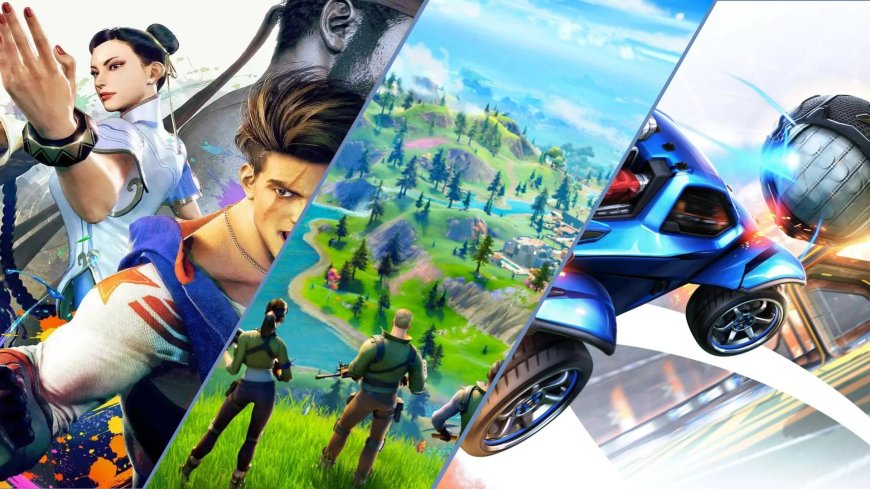
Best Games for Competitive Gamers
Competitive gaming offers a different kind of excitement from traditional single-player adventures. Instead of simply completing a story or exploring a virtual world, players test their abilities against real opponents, improve their strategies, and work toward measurable goals.
Some competitive games demand precise aiming and quick reactions, while others reward patience, teamwork, tactical planning, or extensive knowledge of game mechanics. The best choice depends on the type of challenge you enjoy and the skills you want to develop.
From tactical shooters and fighting games to racing simulators and strategy competitions, there are plenty of options for players who want to improve their performance and compete at a higher level.
Counter-Strike 2
Counter-Strike 2 is one of the defining games in competitive first-person shooters. Its gameplay revolves around two teams with opposing objectives, precise shooting, strategic positioning, and careful management of limited resources.
Players need to understand weapon recoil, map layouts, sound cues, utility usage, and team coordination. A single poorly timed decision can change the outcome of an entire round.
The economy system adds another strategic layer. Teams must decide when to purchase expensive equipment, when to save money, and when to take risks with limited resources.
Counter-Strike 2 is particularly suitable for players who appreciate disciplined teamwork, mechanical precision, and competitive matches in which small advantages can make a significant difference.
Valorant
Valorant combines tactical shooting with character-specific abilities. Like traditional round-based shooters, it rewards accurate aim, positioning, communication, and smart use of equipment. However, each agent introduces additional tactical possibilities.
Some agents specialize in gathering information, others create opportunities for attacking a site, and others help control areas or protect teammates.
This creates a balance between mechanical skill and strategic planning. A team might win a round through accurate shooting, but it can also gain an advantage by coordinating abilities, predicting enemy movements, and controlling important parts of the map.
Valorant is a strong option for players who enjoy tactical competition but also want character abilities to influence how each round unfolds.
League of Legends
League of Legends is a multiplayer online battle arena game built around team strategy, individual mechanics, and long-term decision-making.
Two teams compete to destroy the opposing team's Nexus while controlling objectives, earning resources, and developing their champions throughout a match.
Competitive success requires much more than knowing how to use a champion. Players must understand map awareness, lane matchups, positioning, team fights, objective timing, and the changing strength of different characters as a match progresses.
For example, securing a major neutral objective can create an opportunity to pressure multiple lanes, while a poorly coordinated team fight can allow opponents to take control of the game.
League of Legends suits players who enjoy complex systems, strategic adaptation, and the challenge of improving within a large competitive community.
Dota 2
Dota 2 offers another deep competitive MOBA experience, with an especially broad range of hero abilities, item combinations, and strategic possibilities.
Its matches require players to balance farming, map control, team fights, defensive positioning, and objective management. Items can dramatically change how a hero performs, making purchasing decisions an important part of the strategy.
The game also places considerable emphasis on timing. A team might wait for a key ability, an important item, or a favorable opportunity before committing to a major fight.
Dota 2 is particularly appealing to players who enjoy complicated mechanics and situations where strategic knowledge can be just as important as reaction speed.
Street Fighter 6
Street Fighter 6 is an excellent choice for players who prefer direct competition without relying on a team.
Fighting games focus on reading an opponent, controlling space, managing resources, and choosing the right attack for each situation. Street Fighter 6 also offers the Drive System, which gives players several offensive and defensive options while introducing important resource-management decisions.
Learning a character requires understanding combos, defensive responses, anti-air attacks, spacing, and matchup-specific strategies.
However, memorizing combos alone is not enough. Competitive players must recognize patterns, adapt to an opponent's habits, and avoid predictable decisions.
Street Fighter 6 is ideal for players who want a skill-based competitive experience where every decision can have an immediate impact.
Rocket League
Rocket League transforms football into a fast-paced competition involving rocket-powered cars.
The concept is easy to understand, but mastering the game requires considerable practice. Players must learn aerial control, accurate shooting, defensive positioning, boost management, and coordinated passing.
Teamwork is especially important. Two players attacking the same ball can leave their goal exposed, while a well-timed rotation can maintain pressure and protect against counterattacks.
The game's skill ceiling is one of its biggest attractions. Beginners can focus on basic movement and positioning, while experienced players can spend years refining advanced mechanics.
Rocket League is a great choice for players who want a competitive game with short matches, clear objectives, and a strong emphasis on mechanical mastery.
Rainbow Six Siege
Rainbow Six Siege focuses on tactical team-based combat in which preparation, information, and environmental destruction are central to the experience.
Attackers and defenders approach each round differently. Teams must select operators, identify threats, reinforce important areas, and coordinate their movements around objectives.
Destructible walls, floors, and ceilings create opportunities for unexpected attack routes. Sound also plays an important role because footsteps and other audio cues can reveal enemy positions.
Unlike faster shooters that emphasize constant movement, Rainbow Six Siege often rewards patience and careful information gathering.
It is particularly suitable for players who enjoy methodical tactical decisions and coordinated team play.
Apex Legends
Apex Legends combines battle royale gameplay with character abilities, movement mechanics, and squad-based combat.
Players select Legends with different tactical, passive, and ultimate abilities, then compete to survive as the playable area becomes smaller.
Movement is a major part of the experience. Sliding, climbing, repositioning, and navigating terrain can create opportunities to escape danger or gain an advantage in a fight.
Successful squads also need to manage equipment, communicate enemy positions, choose favorable engagements, and decide when to avoid combat.
Apex Legends is a good fit for players who enjoy fast-paced gunfights but want more movement and character-based strategy than a conventional tactical shooter typically provides.
Overwatch 2
Overwatch 2 combines team-based shooting with heroes that have distinct abilities and roles.
Players must coordinate attacks, defend important areas, manage cooldowns, and adapt their hero choices to the changing situation.
Team composition can influence how a match unfolds. A coordinated team might combine abilities to initiate a fight, protect vulnerable teammates, or counter an opponent's strongest strategy.
Individual mechanical skill remains important, but awareness and cooperation can be equally valuable.
Overwatch 2 is especially suitable for players who enjoy objective-based multiplayer games where teamwork and character selection have a major impact on performance.
Trackmania
Trackmania provides a different kind of competition built around racing, precision, and time optimization.
Rather than focusing primarily on combat or vehicle customization, the game challenges players to complete tracks as quickly as possible.
Small mistakes can cost valuable fractions of a second. Players must learn braking points, racing lines, jumps, turns, and the correct approach to each obstacle.
Because tracks can be replayed repeatedly, improvement is easy to measure. Players can compare their times with personal records and other competitors while gradually refining their routes.
Trackmania is an excellent choice for gamers who enjoy mastering a precise skill and competing through increasingly faster performances.
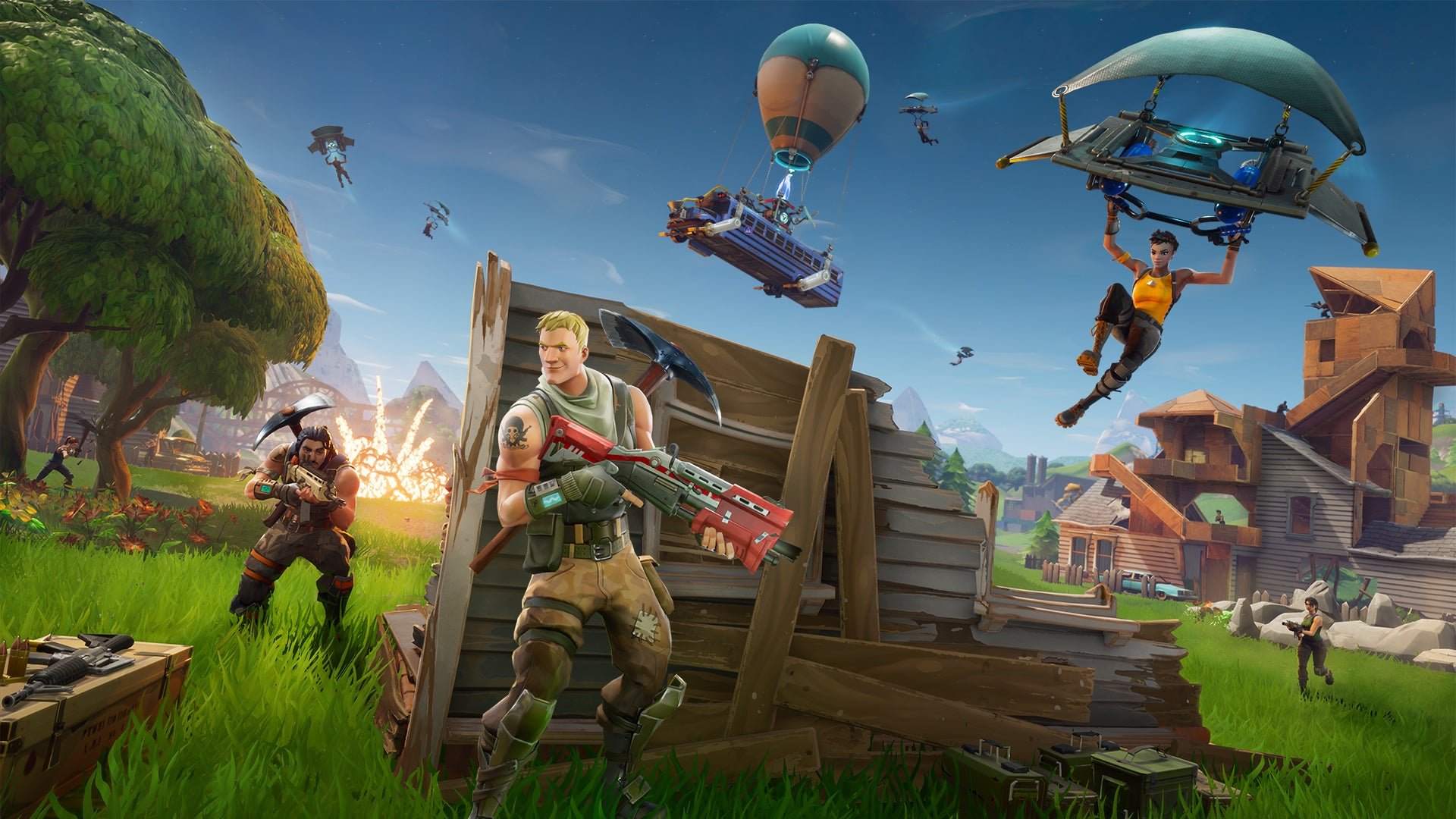
Fortnite
Fortnite offers a competitive experience that combines shooting, positioning, resource management, and, in its traditional building mode, rapid construction.
Players must collect equipment, understand the map, choose favorable engagements, and adapt as the safe area changes. Building introduces another mechanical dimension, allowing skilled players to create defensive structures or gain height during fights.
The game also rewards decision-making outside direct combat. Choosing when to rotate, when to engage an opponent, and when to avoid an unnecessary fight can determine the outcome of a match.
Fortnite is particularly appealing to players who enjoy a constantly changing battle royale environment and a combination of tactical decisions with demanding mechanics.
EA Sports FC
For players who prefer sports competition, EA Sports FC provides a football-focused alternative to shooters and fighting games.
Competitive matches require players to understand passing lanes, defensive positioning, player movement, timing, and tactical formations.
Effective attacking is not simply about sprinting toward the goal. Players need to create space, recognize opportunities, and select the appropriate pass or shot. Defending requires similar awareness, particularly when deciding when to pressure an opponent and when to maintain a defensive shape.
Online modes offer opportunities to test these skills against other players and improve through repeated matches.
EA Sports FC is a natural choice for football fans who want to combine their knowledge of the sport with competitive gaming.
What Makes a Competitive Game Worth Playing?
Not every multiplayer game creates a satisfying competitive experience. Several characteristics help distinguish games that reward long-term improvement.
A High Skill Ceiling
The best competitive games provide room for improvement over time. Beginners can learn the basics, while experienced players can continue refining advanced techniques.
Balanced Mechanics
Fair competition depends on mechanics that allow players to understand why they won or lost. Perfect balance is difficult to achieve, but excessive randomness or dominant strategies can undermine competitive depth.
Meaningful Decision-Making
A competitive game should reward more than fast reactions. Positioning, resource management, timing, teamwork, and adaptation all make matches more interesting.
Reliable Matchmaking
Matchmaking that places players against opponents of similar ability can create more satisfying matches and make progression feel meaningful.
A Strong Competitive Community
Active communities, tournaments, ranked modes, and educational resources can help players learn and stay engaged.
How to Choose the Right Competitive Game
The best competitive game depends on your preferred style of play.
-
For tactical shooting: Counter-Strike 2, Valorant, and Rainbow Six Siege.
-
For strategic team battles: League of Legends and Dota 2.
-
For one-on-one competition: Street Fighter 6.
-
For movement and mechanical skill: Rocket League.
-
For battle royale action: Apex Legends and Fortnite.
-
For racing and precision: Trackmania.
-
For sports competition: EA Sports FC.
Your preferred platform also matters. Check platform availability, controller or keyboard support, matchmaking options, and whether the game supports cross-platform play if you want to compete with friends on other systems.
Tips for Improving Your Competitive Skills
Choosing a competitive game is only the beginning. Consistent improvement usually comes from deliberate practice rather than playing as many matches as possible.
Focus on one skill at a time. In a shooter, you might work on crosshair placement. In a fighting game, you could practice defending against a specific attack. In a MOBA, you might concentrate on map awareness.
Review your mistakes. When possible, watch replays and identify the decisions that caused problems. A lost match can provide more useful information than an easy victory.
Learn from experienced players. Watching high-level gameplay can help you understand positioning, timing, resource management, and strategic choices.
Communicate effectively. In team games, useful information is often more valuable than constant conversation. Clear callouts can help teammates make better decisions.
Take breaks when necessary. Fatigue and frustration can affect concentration. A short break can be more productive than continuing to play while making repeated mistakes.