Best Games With Incredible Soundtracks
Discover the best games with incredible soundtracks, featuring unforgettable music, cinematic orchestral scores, emotional themes, and immersive audio experiences.
 NorthGames
Best Games With Incredible Soundtracks
A great video game soundtrack can transform an ordinary gaming session into an unforgettable experience. Music builds tension during difficult battles, makes quiet exploration feel meaningful, and gives emotional scenes a lasting impact. Sometimes, a few notes are enough to bring back memories of a favorite character, a dramatic final boss, or a world that players spent dozens of hours exploring.
Video game music has evolved far beyond simple background melodies. Modern soundtracks combine orchestral performances, electronic production, traditional instruments, ambient soundscapes, and memorable compositions that stand alongside music created for films and television. In many games, the soundtrack is an essential part of the storytelling rather than a secondary feature.
The best games with incredible soundtracks demonstrate how music can influence atmosphere, strengthen emotional connections, and make virtual worlds feel alive. Here are some outstanding examples worth experiencing.
1. The Legend of Zelda: Breath of the Wild
The soundtrack of The Legend of Zelda: Breath of the Wild takes a different approach from many traditional adventure games. Instead of filling every moment with a constant melody, it often uses delicate piano notes, ambient sounds, and long stretches of near-silence.
This approach makes exploration feel more personal. While traveling across Hyrule, players may hear only a few piano notes accompanied by the sound of wind, wildlife, and footsteps. When a familiar musical theme eventually appears, it feels meaningful because the surrounding world has been given room to breathe.
The music also changes according to the situation. Peaceful exploration, dangerous encounters, and major story moments receive different musical treatments, helping players understand the mood without relying entirely on dialogue.
The soundtrack's greatest strength is its restraint. It allows the landscape to become part of the musical experience, making discoveries feel more natural and memorable.
For players who appreciate atmospheric compositions and music that supports exploration rather than dominating it, Breath of the Wild is an excellent example of interactive sound design.
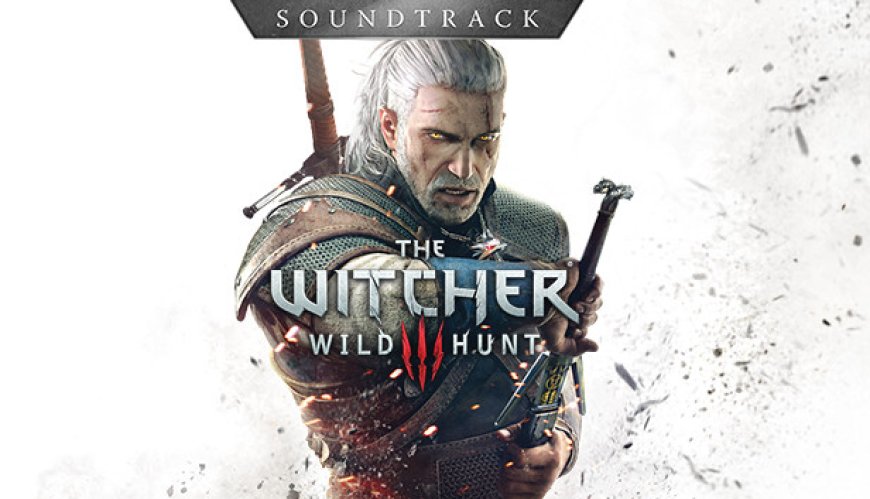
2. The Witcher 3: Wild Hunt
The music of The Witcher 3: Wild Hunt creates a distinctive fantasy atmosphere by combining orchestral elements with folk-inspired instruments and powerful vocal performances.
Its soundtrack frequently uses sounds associated with Eastern European musical traditions, including string instruments and distinctive rhythmic patterns. The result feels different from the conventional fantasy scores built primarily around sweeping orchestral arrangements.
The music of the Skellige region is particularly memorable. Its folk-inspired character helps communicate the culture, geography, and rugged atmosphere of the islands. Elsewhere, combat music introduces faster rhythms and a stronger sense of danger, making encounters with monsters and human enemies feel more intense.
The soundtrack also complements the game's morally complicated storytelling. Quiet musical passages provide space for reflection, while dramatic themes support major confrontations and emotional turning points.
Rather than making every location sound equally grand, the music gives different regions their own identities. This variety helps the world feel culturally rich and believable.
3. Red Dead Redemption 2
Red Dead Redemption 2 demonstrates how music can support storytelling without constantly demanding attention. Its soundtrack combines atmospheric compositions, guitar, strings, vocals, and other elements associated with the American frontier.
Much of the game's world is experienced through quiet moments. Arthur Morgan might ride through a wide valley, travel along a dusty road, or watch the sun set over the mountains. During these moments, environmental sounds often take priority, allowing occasional musical passages to carry greater emotional weight.
When music does appear, it can change the meaning of a scene. A journey that initially feels ordinary may become reflective, while a major story sequence can gain additional emotional intensity through carefully timed vocals and instrumentation.
The soundtrack works particularly well because it respects the game's pacing. It does not attempt to make every activity dramatic. Instead, it allows music to emerge when it can contribute something meaningful.
For players who appreciate cinematic storytelling and subtle musical direction, Red Dead Redemption 2 offers one of gaming's most memorable audio experiences.
4. NieR: Automata
NieR: Automata features a soundtrack that combines haunting vocals, electronic textures, orchestral arrangements, and unusual musical structures. Its compositions contribute significantly to the game's atmosphere, which moves between futuristic action, melancholy exploration, and philosophical storytelling.
One of the soundtrack's most interesting qualities is how musical themes can appear in different arrangements. A melody heard in a peaceful location may return during a more intense encounter, creating a connection between places and events that initially seem unrelated.
The game also uses vocals in a distinctive way. Rather than relying exclusively on recognizable lyrics, many tracks feature invented vocal language that emphasizes emotion and atmosphere. This makes the music feel connected to the fictional world without requiring players to understand specific words.
The soundtrack is especially effective during boss encounters and major narrative moments, where changes in instrumentation and intensity reinforce the scene's emotional significance.
For players who enjoy experimental compositions and music that becomes inseparable from a game's identity, NieR: Automata is essential listening.
5. Final Fantasy VII Remake
The Final Fantasy VII Remake soundtrack reimagines music from the original Final Fantasy VII while introducing new arrangements and compositions for its expanded story.
Familiar melodies return in different forms, adapting to the setting and emotional tone of individual scenes. A recognizable theme may appear as a quiet piano piece in one moment and a dramatic orchestral arrangement during a major battle.
This approach creates a connection between the game's history and its modern presentation. Long-time fans can recognize musical ideas from the original release, while new players can appreciate the soundtrack without any prior knowledge of the series.
Combat music is another major strength. Dynamic arrangements support the changing intensity of battles, helping encounters feel energetic without making the soundtrack repetitive.
The result is a musical experience that respects the original game's identity while taking advantage of modern production techniques and a larger orchestral palette.
6. Hollow Knight
Hollow Knight shows that an incredible soundtrack does not require a massive orchestra or an enormous production budget. Its music relies on delicate piano, strings, atmospheric textures, and carefully controlled changes in intensity.
The fictional kingdom of Hallownest feels mysterious and often lonely, and the soundtrack reinforces that feeling throughout the journey. Quiet themes accompany exploration, while more dramatic compositions introduce danger and emotional weight during important encounters.
Each region has a distinctive atmosphere. The music helps differentiate peaceful locations from abandoned settlements, dangerous caverns, and areas filled with unfamiliar creatures.
Boss themes are especially effective because they combine musical intensity with the game's precise combat. Their rhythms and dramatic changes help create a sense of confrontation without overwhelming the player.
The soundtrack's restraint is one of its greatest strengths. It leaves room for environmental sounds and visual storytelling, making individual musical moments more powerful.
For fans of atmospheric indie games, Hollow Knight is a strong example of how carefully composed music can elevate an entire world.
7. The Elder Scrolls V: Skyrim
The soundtrack of The Elder Scrolls V: Skyrim has become one of the most recognizable in modern fantasy gaming. Its sweeping orchestral themes, choir performances, and atmospheric compositions capture the scale of a vast northern landscape.
The main theme, associated with the game's legendary Dragonborn, is particularly memorable because it combines a powerful choral sound with a sense of ancient history. It immediately establishes the atmosphere of a world filled with dragons, ruins, and forgotten civilizations.
Exploration music plays a different role. Softer compositions accompany travel through snowy mountains, forests, and remote settlements, creating a sense of solitude without making the world feel empty.
Dungeon and combat music adds tension when players encounter enemies or enter dangerous locations. These shifts help maintain a balance between peaceful exploration and moments of intense action.
The soundtrack is effective because it supports the feeling of living in a large fantasy world. Even after the main story ends, its melodies can remain closely associated with memories of exploration and discovery.
8. Persona 5 Royal
Persona 5 Royal features a stylish soundtrack influenced by jazz, acid jazz, funk, rock, and pop. Its music is a major part of the game's personality, giving its modern urban setting a distinctive sound.
The soundtrack includes energetic battle themes, relaxed background tracks, and vocal-driven compositions that help establish the mood of different activities. Jazz-inspired arrangements create a sense of sophistication, while rhythmic bass lines and prominent vocals give many tracks an immediately recognizable identity.
Music also helps distinguish the game's daily routine from its supernatural adventures. Everyday activities have a different musical character from dungeon exploration and combat, reinforcing the contrast between the protagonist's ordinary life and hidden responsibilities.
The result is a soundtrack that remains engaging across a long role-playing campaign. Its varied styles prevent the music from feeling monotonous, even when players return to familiar locations repeatedly.
For gamers who enjoy soundtracks with strong melodies, memorable vocals, and a modern musical identity, Persona 5 Royal is an excellent choice.
9. Journey
Journey is a short adventure game in which music plays a central role in the emotional experience. Players travel across a mysterious desert toward a distant mountain, encountering ancient structures and environmental obstacles along the way.
The soundtrack, composed by Austin Wintory, develops alongside the player's journey. Strings and other orchestral elements gradually expand as the adventure progresses, creating a musical arc that mirrors the movement through the world.
One of the most effective aspects of the score is its relationship with player actions. Music can grow more expressive as the character moves, glides, or interacts with the environment. This makes the soundtrack feel connected to the experience rather than simply placed over it.
Because the game communicates largely through visuals and sound instead of conventional dialogue, music carries much of its emotional storytelling.
Journey is particularly suitable for players who want a focused, atmospheric experience. Its soundtrack demonstrates how music alone can communicate wonder, loneliness, hope, and a sense of achievement.
10. Ori and the Will of the Wisps
Ori and the Will of the Wisps combines fluid platforming with a beautifully arranged orchestral soundtrack. The music supports the game's emotional story while enhancing its colorful environments and demanding sequences.
Quiet themes give the world a sense of wonder, while more dramatic compositions accompany dangerous encounters and important narrative moments. The soundtrack moves naturally between delicate melodies and larger orchestral passages, reflecting the changing pace of the adventure.
Music is particularly important during sequences that require precise movement. The combination of sound, animation, and environmental design creates a strong sense of momentum, making difficult sections feel more immersive.
The soundtrack also supports the emotional relationship between characters and the world around them. Rather than functioning only as background music, it helps communicate the significance of events that might otherwise be conveyed through dialogue.
For players who enjoy emotional storytelling, orchestral music, and atmospheric platforming, Ori and the Will of the Wisps offers a memorable combination.
11. DOOM Eternal
Not every great gaming soundtrack is calm or emotional. DOOM Eternal uses aggressive metal, industrial sounds, distorted guitars, and heavy percussion to create an intense musical identity.
The soundtrack is designed to match the game's fast movement and relentless combat. Heavy riffs provide momentum as players move through arenas, switch weapons, and confront waves of enemies.
Its musical style reinforces the feeling of power and urgency. Instead of treating combat as a series of isolated encounters, the sound design helps turn each battle into a continuous burst of energy.
The contrast between different musical textures also contributes to the experience. Distorted guitars and electronic elements combine to create a sound that feels both mechanical and aggressive, fitting the game's science-fiction setting.
DOOM Eternal is an excellent choice for players who enjoy high-energy music and action games where sound contributes directly to the intensity of gameplay.
12. Assassin's Creed II
The soundtrack of Assassin's Creed II, composed by Jesper Kyd, is closely associated with the game's Renaissance Italian setting and its central character, Ezio Auditore.
Its music combines orchestral arrangements with electronic elements and distinctive melodic themes. The result supports the contrast between the beauty of historical cities and the hidden conflicts taking place within them.
The game's main musical themes are particularly effective at creating a sense of identity. Their melodies are memorable without overwhelming the atmosphere, and they help connect exploration, character development, and major story events.
Music also contributes to the sense of place. As players travel through historic environments, the soundtrack complements the architecture, visual design, and historical atmosphere.
For players who enjoy adventure games with recognizable themes and a strong connection between music and setting, Assassin's Creed II remains an important example.
13. Celeste
Celeste combines challenging platforming with a soundtrack that reflects the protagonist's emotional journey. Its electronic music moves between energetic rhythms, atmospheric passages, and more reflective compositions.
The music supports the game's themes of anxiety, persistence, and self-acceptance without turning every scene into a dramatic statement. During difficult platforming sections, the soundtrack helps maintain momentum, while quieter moments allow the story's emotional themes to come forward.
Celeste also uses changes in musical intensity to reinforce the structure of its levels. As the challenges become more demanding, the music can grow more urgent, helping create a sense of progression.
Its soundtrack is especially effective because it fits both sides of the experience: the precision required by its gameplay and the vulnerability expressed through its narrative.
For players who enjoy indie games with strong artistic direction, Celeste is a compelling example of music supporting both mechanics and storytelling.
14. Death Stranding
Death Stranding uses music differently from many action-oriented games. Its soundtrack and licensed songs help emphasize isolation, travel, and the emotional importance of reaching another person.
The game's world is often quiet. Players spend significant time crossing mountains, rivers, and open landscapes while managing cargo and planning routes. When a song begins during a journey, it can transform the experience by providing a sense of movement and emotional release.
Licensed tracks by artists such as Low Roar became closely associated with the game's atmosphere. Their reflective sound complements the lonely environments and the story's focus on connection.
The contrast between silence and music is particularly important. Because the game does not fill every moment with a continuous soundtrack, individual songs can feel like meaningful events.
Death Stranding is best suited to players who appreciate slower pacing, unusual storytelling, and music that contributes to the emotional character of exploration.
15. Undertale
Undertale demonstrates how memorable melodies can become central to a game's identity, even when its visual presentation is deliberately simple.
The soundtrack uses chiptune-inspired sounds, electronic arrangements, and recurring musical themes to support its unusual characters and branching story. Many tracks are short, but their melodies are distinctive enough to remain recognizable long after the game has been completed.
Music is also connected to the game's structure. Familiar themes may return in altered forms, allowing players to recognize relationships between characters, locations, and events.
During important encounters, the soundtrack can shift from playful to tense or emotionally intense, reflecting changes in the story. This makes the music an active part of the narrative rather than a decorative layer.
Undertale is particularly appealing to players who value memorable melodies and creative composition over realistic orchestral production.
What Makes a Video Game Soundtrack Great?
An excellent soundtrack does more than provide pleasant background music. It supports the game's identity and strengthens the player's connection to the world.
Several qualities contribute to a memorable musical experience.
Emotional Impact
Music can make a scene feel joyful, frightening, tragic, or triumphant. A well-timed melody can strengthen a character's farewell or make a difficult victory feel more rewarding. Games such as Red Dead Redemption 2 and Journey demonstrate how music can communicate emotion without relying entirely on dialogue.
A Distinctive Musical Identity
The most memorable soundtracks often have a recognizable style. Persona 5 Royal uses jazz-inspired arrangements, DOOM Eternal emphasizes aggressive metal, and The Witcher 3: Wild Hunt draws on folk-inspired instrumentation.
These musical choices help players identify a game even when they hear a track outside the original experience.
Connection to Gameplay
Music becomes especially effective when it responds to what happens on screen. Combat themes can intensify during dangerous encounters, while quieter arrangements can accompany exploration. Dynamic soundtracks help make gameplay feel more responsive and immersive.
Variety and Replay Value
Players may spend dozens of hours in a single game, so musical variety matters. Different regions, characters, and situations benefit from distinct themes. Recurring melodies can also create continuity, helping players connect later events to earlier experiences.
Strong Composition
A soundtrack does not need a large orchestra to be memorable. A simple piano melody, a carefully produced electronic track, or a short chiptune theme can be just as effective when it fits the game's atmosphere and emotional goals.
How to Enjoy Video Game Soundtracks Beyond Gaming
Many game soundtracks are worth listening to outside the game itself. Official soundtrack albums are often available through music streaming platforms, digital music stores, and game publishers' websites.
Listening away from the screen can reveal details that are easy to miss during gameplay. You may notice recurring motifs, unusual instruments, or changes in arrangement that become more apparent when there are no visual distractions.
For the best experience, consider listening to the soundtrack in its original order when the album is arranged to follow the game's narrative. Alternatively, create a playlist based on a particular mood, such as relaxing exploration, focused work, or high-energy exercise.
It is also worth exploring official composer interviews and soundtrack releases to learn how musical ideas were developed. These materials can provide insight into the creative process behind some of gaming's most memorable themes.